




How to Buy an Electric Pottery Wheel
This short guide helps you choose an electric pottery wheel for home, school or small studio use. It covers the most important factors, the main types on the market, the specifications to check, where to buy and common pitfalls to avoid. Use it to pick a wheel that suits the size of work you want to make and your skill level.
What to consider before you buy
- Project size - do you want to make bowls and mugs or larger vases? Larger pieces need a bigger turntable and more torque.
- Space and portability - will the wheel live on a bench or be moved and stored often?
- Skill level - beginners benefit from simpler controls and starter tool kits; experienced throwers may want higher power and durability.
- Budget - affordable electric wheels are available around £100 to £160; higher price often buys better build and quieter motors.


Types and categories
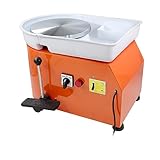
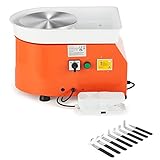
- Full electric studio-style wheels - larger turntable (around 25cm/9.8in), stronger motors (around 350W) and robust frames. Best for general home and studio use.
- Compact or mini wheels - smaller turntables (around 6in), lightweight and easy to store. Good for children, small projects and beginners who need low-cost and portability.
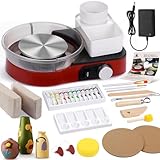
- All-in-one beginner kits - wheel plus a basic set of tools and some modelling clay. Good value for new makers who want to start straight away.
Key features and specifications to check
- Motor power and torque - around 350W is common for making medium to large pieces; more torque helps when centring heavier clay (up to about 3kg on many consumer wheels).
- Turntable size and material - aluminium turntables around 25cm are versatile and corrosion resistant. Smaller metal turntables suit mini projects.
- Speed range and control - look for smooth variable control via foot pedal and/or manual lever, typically 0 to 300 rpm for most tasks. Bidirectional rotation is useful for left or right handed working.
- Stability and build - thicker steel frames and well-mounted turntables reduce wobble at higher speeds.
- Water management and cleaning - detachable splash pans or basins make cleanup much easier.
- Safety features - an earth leakage protector or circuit breaker reduces electrical risk. Low-noise motors are better for shared spaces.
- Accessories - some wheels include tool sets, clay or storage; factor these into value but do not rely on them for long-term use.

Where to buy, common mistakes and expert recommendations
- Common mistakes to avoid
- Buying the smallest, cheapest wheel for projects you actually want to make - it may lack torque for larger pieces.
- Ignoring safety and local electrical requirements - ensure the machine has proper earth protection and suitable plugs or adaptors.
- Overlooking cleaning and maintenance - fixed splash pans or hard-to-remove parts make post-session cleanup tedious.
- Expert tips
- If you want versatility, pick a wheel with a 25cm turntable and around 350W motor; it balances size and power for most home potters.
- Test or confirm the responsiveness of the foot pedal if you can; smooth, proportional control makes a big difference to centring and shaping.
- Choose a removable basin and a stable steel frame to reduce wobble and speed up cleaning.
- Prefer sellers with clear return and warranty terms and check reviews that mention vibration, noise and long term reliability.
Final Thoughts
Match the wheel to the clay objects you want to make, prioritise turntable size, motor torque and stable construction, and prefer units with a detachable basin and reliable speed control. Buy from a seller who offers clear returns and a warranty so you can test responsiveness and stability at home. Start with a mid-range model if you are unsure; it will cover most beginner to intermediate needs and let you progress quickly.