



Buying Guide
How to Buy a Breast Pump
This short guide helps you choose a breast pump quickly and confidently. It covers the most important factors, the main types you will see, the features to check and where to buy. Read the checklist and act on the points that matter most to your routine.
Key factors to consider
Decide what matters most to you: frequency of use, portability, comfort and budget. If you plan to pump daily or at work, choose performance and reliable battery life. If you need something for occasional use, a simpler or manual option may be fine.
Quick checklist:
- How often you will pump each day
- Need for hands free or portability
- Comfort and correct flange fit
- Noise level if you pump at work or at night
- Budget and ongoing costs for spare parts


Types you will find
There are four practical categories to consider. Pick the one that matches your lifestyle rather than the trendiest option.
- Manual pumps: simple, cheap and quiet. Best for occasional use or as a backup.
- Single or double electric pumps: faster milk removal and more efficient for regular pumping sessions.
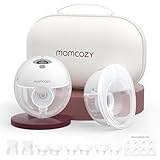
- Wearable hands free pumps: invisible in the bra and highly portable. Many weigh under 250 g and suit multitasking parents.
- Hospital grade or high-performance pumps: stronger motors and variable cycles. Good for long term use or low supply, often pricier.
Features and specifications to check
Look beyond price. These specifications will determine comfort, efficiency and long term value.
- Suction and cycle control: adjustable suction levels and separate stimulation/express modes help mimic a baby and improve output.
- Flange sizes and fit: pumps that include multiple flange sizes or offer different shields reduce pain and improve efficiency. Measure before you buy.
- Hands free and weight: wearable collection cups can be under 80 g each, ideal for discreet use. Check how they sit in your bra.
- Battery and power: rechargeable batteries are handy. Check runtime and how long a full charge takes.
- Noise level: look for models advertised as ultra quiet if you will pump around others or at night.
- Hygiene and cleaning: minimal parts and dishwasher safe components save time. Fewer pieces also reduce lost parts.
- Materials and safety: choose BPA free materials and food grade silicone for anything that contacts milk.
- Connectivity and tracking: app integration can help log sessions and stock, useful but not essential.
- Spare parts availability and warranty: valves, membranes and seals wear out. Check replacement compatibility and support.

Where to buy, mistakes to avoid and expert tips
Online stores offer wide choice, user reviews and quick delivery. High street retailers let you try flange sizes, hear noise levels and get personalised advice. Check return policies and warranty before you commit.
Common mistakes to avoid:
- Buying solely on price and ignoring comfort or spare parts availability
- Assuming higher suction always equals more milk
- Not checking or trying correct flange size before use
- Overlooking battery life or charging time for wearable models
Expert tips and quick wins:
- Start on low suction and gradually increase to avoid pain
- Keep spare valves and seals on hand to maintain performance
- Choose a pump with memory settings so sessions start at your preferred level
- Prioritise models with few parts for easier cleaning
- Consider hire schemes or trial periods if you are unsure which type suits you
Final Thoughts
Prioritise fit, comfort and reliability over features that look impressive but add complexity. If you will pump frequently choose a robust electric or hospital grade option with good support and spare part availability. If mobility matters, a lightweight wearable that remembers settings is a smart choice. Try flange sizes first and keep a simple backup solution for peace of mind.


