




Buying Guide
How to Buy Cordless Impact Drivers, Impact Wrenches and Drill Packs
This short guide shows what matters when buying cordless impact drivers, impact wrenches or combi drill packs. It pulls practical insights from current starter kits and twin packs so you can make a fast, confident choice.
Key factors to consider
Power and torque: check the torque rating in Newton metres. Light to general DIY impact drivers often list around 100 to 200 Nm, mid‑range units 200 to 400 Nm and specialist impact wrenches can reach into the hundreds or thousands of Nm for vehicle work.
- Motor type: prefer brushless for better efficiency, lower maintenance and longer life.
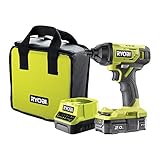
- Voltage and battery: common systems use 18V to 21V. Battery capacity is quoted in Ah; 2.0 Ah is common for starter kits, 4.0 Ah or above gives much longer runtime.
- Compatibility: consider whether batteries work across a platform of tools to save money later.
- Use case: choose the tool based on tasks you do most often rather than the highest spec on paper.


Types and when to choose them
- Impact driver: compact, quick for driving long screws and self‑tapping fasteners. Best for decking, fencing and general screwdriving.
- Combi drill: multipurpose tool with drilling and hammer functions, plus adjustable clutch. Choose this if you need drilling in wood, metal or masonry as well as screwdriving.
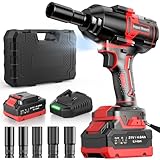
- Impact wrench: high torque and 1/2 inch drive for loosening or tightening wheel nuts and heavy vehicle bolts. Use for mechanical and heavy fastening tasks.
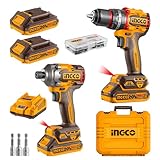
- Twin packs and starter kits: offer two complementary tools and batteries. Good value if you do a range of jobs from drilling to heavy fastening.
Features and specifications to check
- Torque and speed: look at max torque (Nm), no load speed (rpm) and impact rate (impacts per minute). Higher numbers suit tougher work but also increase tool size and cost.
- Drive and chuck sizes: impact drivers use a 1/4 inch hex quick‑load; combi drills often have a 13 mm chuck; impact wrenches use 1/2 inch square drives.
- Clutch and speed modes: variable speed triggers and multi‑speed settings give finer control. Adjustable torque or precision modes reduce damage to fasteners and workpieces.
- Battery and charger: fast chargers can restore a battery quickly. If a kit includes two batteries you can keep working while one charges.
- Ergonomics and head length: compact head length and light weight matter in confined spaces.
- Accessories and case: included bits, sockets and a case add convenience and good immediate value.
Where to buy, mistakes to avoid and quick expert tips
Online retail gives the best prices and a wide choice; local stores let you try the grip and feel. Always check returns, warranty and whether batteries are included. Common mistakes to avoid:
- Buying body‑only kits unless you already own compatible batteries.
- Choosing low Ah batteries if you need long runtime for heavier tasks.
- Comparing tools only by price without checking torque and motor type.
- Opt for brushless motors if you will use the tool often.
- Buy at least one spare battery; 2.0 Ah is fine for occasional DIY, 4.0 Ah or more for frequent use.
- For mixed jobs pick a twin pack with an impact driver and a combi drill; for vehicle work pick a dedicated impact wrench with a 1/2 inch drive.
- Expect reasonable starter kits to sit in the approximate price band of around £80 to £140; pay more for higher torque, larger batteries and branded service.
Final Thoughts
Decide first what jobs you will do most often, then match torque, motor type and battery capacity to those tasks. Unless you already have a battery platform, choose a kit that includes batteries and a charger. Prioritise brushless motors and at least one spare battery to keep working without long interruptions.


