




Buying Guide
How to Buy an Unlocked Smartphone
This short guide helps you choose an unlocked, budget to mid-range smartphone. It highlights the key factors, types available, the specs that matter in everyday use, and quick buying tips backed by real product examples.
Key factors to consider
Check network compatibility and SIM policy - ensure the phone is truly unlocked and supports the mobile bands you need, and decide if you want dual SIM capability.
Battery and charging - aim for large capacity batteries; the examples here show around 5,100 to 5,300 mAh and fast charging options that recover useful charge quickly.
Display and smoothness - screen size in these examples is 6.5 to 6.7 inches, with refresh rates from 90Hz to 120Hz for a noticeably smoother experience.
Storage and memory - typical options range from 64GB to 128GB; look for microSD expansion if you keep lots of photos or media.
Camera and everyday quality - a 50MP main sensor is common on phones at this price point and delivers good daytime shots; check front camera specs if selfies matter.
Software and updates - recent Android versions are shown; prefer models with the newer OS and a clear update policy.
Build and resilience - some phones include dust and splash resistance plus drop protection ratings; these are useful if you want a more durable handset.
Price versus value - the sample prices run roughly from £60 to £130, so prioritise the single feature you use most rather than chasing every spec.
Battery and charging - aim for large capacity batteries; the examples here show around 5,100 to 5,300 mAh and fast charging options that recover useful charge quickly.
Display and smoothness - screen size in these examples is 6.5 to 6.7 inches, with refresh rates from 90Hz to 120Hz for a noticeably smoother experience.
Storage and memory - typical options range from 64GB to 128GB; look for microSD expansion if you keep lots of photos or media.
Camera and everyday quality - a 50MP main sensor is common on phones at this price point and delivers good daytime shots; check front camera specs if selfies matter.
Software and updates - recent Android versions are shown; prefer models with the newer OS and a clear update policy.
Build and resilience - some phones include dust and splash resistance plus drop protection ratings; these are useful if you want a more durable handset.
Price versus value - the sample prices run roughly from £60 to £130, so prioritise the single feature you use most rather than chasing every spec.


Types and categories available
- Entry level unlocked phones - budget processors, 64GB storage, basic cameras and 60Hz or 90Hz screens. Best for light use and low cost.
- Battery-focused models - prioritise large capacity (around 5,000 mAh) and long standby times for heavy travellers or long days away from a charger.
- Smooth-display phones - higher refresh rates (90Hz to 120Hz) offer smoother scrolling and gaming for a modest premium.
- Camera-conscious mid-range - these offer higher megapixel main sensors and software image processing for better photos without flagship price.
- Regional or import variants - cheaper listings may be regional builds with extra languages or different chargers; check warranty and firmware differences.
Important features and specs to look for
Use these practical minimums and checks when comparing models:
- Battery: 5,000 mAh or more if you need long endurance. Check stated playback or browsing hours for real-world guidance.
- Screen: at least 6.4 inches if you want a media-friendly phone; prefer 90Hz or higher for smoother UI and gaming.
- Storage and expansion: 64GB is a workable minimum; 128GB is more futureproof. Look for a microSD slot if you store many photos or music.
- Memory and processor: aim for at least 4GB RAM and a modern entry-level chipset for reliable everyday performance.
- Camera: a 50MP main sensor is common and delivers good detail; inspect sample images if available.
- Charging: faster charging (20W to 35W) saves time. Note any quoted charge-to-percentage times for quick top ups.
- Durability: an IP rating and drop-resistance claims add peace of mind for everyday knocks and spills.
- Software: check the Android version and whether the seller or manufacturer promises updates and security patches.
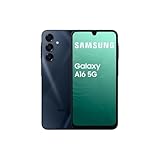
Where to buy, common mistakes to avoid and expert tips
Where to buy
Online marketplaces give price variety and reviews; buy from reputable sellers and check return policy and UK warranty. High-street retailers let you handle the device and ask questions directly.
Common mistakes
Online marketplaces give price variety and reviews; buy from reputable sellers and check return policy and UK warranty. High-street retailers let you handle the device and ask questions directly.
Common mistakes
- Buying a phone that is locked to a network or missing required bands.
- Underestimating storage needs and not checking for microSD support.
- Overlooking software version and update policy.
- Assuming all chargers and accessories are included or compatible with UK plugs.
- Prioritise battery capacity and a 90Hz+ display if you use the phone all day and for media.
- Choose 64GB minimum and 128GB if you keep lots of photos; prefer models that support expandable storage.
- Confirm the OS version (Android 14 or 15 in recent examples) and ask about update support.
- If durability matters, look for explicit dust/water ratings and drop resistance claims.
- Compare total cost including any accessories, delivery and return protection; good deals in the sample range were roughly £60 to £130.
Final Thoughts
Decide which single feature is most important to you - battery life, display smoothness, camera or storage - then pick an unlocked phone that meets that need and provides sensible minimums elsewhere. Check network bands, warranty and return terms before you buy and you will get the best balance of price and everyday performance.


