




Buying Guide
How to Buy a Handheld Clothes Steamer
A short, practical guide to choosing the right handheld clothes steamer. Covers the most important factors, the main types you will see, the key specifications to check, where to buy and quick expert tips to avoid common mistakes.
Key factors to consider
Think about how you will use the steamer and let that guide your choice.
- Frequency of use: occasional touch ups versus regular laundry de-wrinkling.
- Portability: compact, foldable designs suit travel; larger tanks suit home use.
- Heat-up time: many models heat in 15 to 40 seconds for fast results.
- Steam output: typical continuous steam is 20 to 30 g/min; higher output removes creases faster.
- Water tank size: expect anything from about 100ml (one outfit) up to 400ml (15 minutes or multiple garments).
- Power: 1,000 to 1,600 W is common; higher wattage can sustain stronger steam but is not the only measure of performance.
- Safety and reliability: look for automatic shut-off, safe soleplate temperatures (around 140 C for contact ironing), and a clear repair or warranty policy.
- Accessories and cord length: fabric brushes, steam caps, door hooks and longer cords (2 m plus) make steaming easier.

Types and who they suit
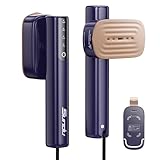
- Compact travel steamers - lightweight, foldable, small tanks (around 100–120ml), ready in about 30 seconds. Best for business trips and last-minute touch ups.
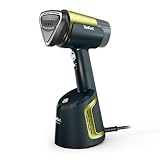
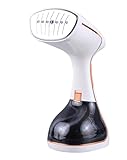
- Handheld vertical steamers - standard size, larger tanks and continuous steam. Good for everyday home use and hanging garments.
- 2-in-1 steam irons - combine a heated soleplate with steam for contact crease removal. Ideal if you want iron-like results without an ironing board.
- High-capacity home steamers - larger tanks (300ml+), stronger continuous steam and longer cords. Suitable if you routinely do many garments or thicker fabrics.
Important features and where to buy
Prioritise features that match your needs and use both online and store options to make a confident purchase.
- Detachable water tank: easier refills and cleaning. A 190ml tank can steam several garments per fill; a 400ml tank gives much longer runtime.
- Steam modes and temperature control: multiple power modes let you tailor care from delicates to denim. A heated soleplate at about 140 C helps with stubborn creases.
- Continuous steam rate and burst function: check grams per minute for efficiency; a steady 20–30 g/min is effective for most clothes.
- Accessories: look for door hooks, fabric brushes, steam caps, measuring cups and storage bags for added convenience.
- Support and repairability: a long repairability window or many authorised repairers is a sign of a product built to last.
- Where to buy: buy online to compare prices, read many reviews and spot deals; buy in store if you want to test weight, balance and build. Always check return policies, delivery times and stock levels before you commit.

Common mistakes to avoid and expert tips
- Do not buy solely on wattage. Match steam output, tank size and features to how you actually use the device.
- Avoid very small tanks if you need to steam several garments at once; frequent refills slow you down.
- Check for basic safety features such as automatic shut-off to reduce the risk of accidents.
- Descale or use recommended water to prolong life; removable tanks make cleaning easier.
- Start on a low steam setting and test on an inner seam for delicate fabrics.
- For fast mornings choose a model with 15 to 40 second heat-up and quick single-stroke performance. For heavy use pick higher continuous steam (around 30 g/min), a large tank and a longer cord for flexibility.
Final Thoughts
Choose a steamer that matches your routine: compact and quick for travel, mid-size for everyday home use, or a 2-in-1 for iron-like finishes. Check tank size, steam output, heat-up time, safety features and repair support before you buy, and use online reviews plus in-store feel checks to make the best choice.


