




Buying Guide
How to Buy an Electric Guitar
This short guide helps you choose an electric guitar or starter kit with confidence. It covers the key buying factors, the main instrument types, vital specs to check, where to buy, common pitfalls and quick expert tips so you can act fast and avoid regrets.
Key factors to consider
Playability and fit are the most important things. Make sure the neck profile and scale length suit your hands and the guitar feels comfortable when sitting or standing.
Tone and pickups determine style. Single-coil pickups give a bright, chiming sound while humbuckers are warmer and better for overdrive. H-S-S or H-H layouts give versatility.
Hardware and stability matter. Look for reliable tuning machines, a stable bridge type (fixed or tremolo) and a solid setup. Higher tuner ratios help tuning precision.
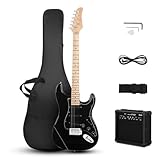
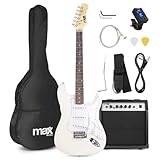
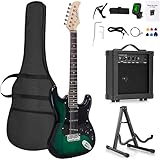
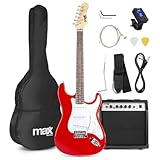
What comes in the box affects value. Many beginner bundles include an amplifier, lead, tuner, bag, strap and picks. Check amp features such as wattage, headphone output and AUX input.
Budget and expectations. Basic complete kits are available around the low hundreds. Expect to pay a little more for better woods, hardware and a factory setup.
Tone and pickups determine style. Single-coil pickups give a bright, chiming sound while humbuckers are warmer and better for overdrive. H-S-S or H-H layouts give versatility.
Hardware and stability matter. Look for reliable tuning machines, a stable bridge type (fixed or tremolo) and a solid setup. Higher tuner ratios help tuning precision.
What comes in the box affects value. Many beginner bundles include an amplifier, lead, tuner, bag, strap and picks. Check amp features such as wattage, headphone output and AUX input.
Budget and expectations. Basic complete kits are available around the low hundreds. Expect to pay a little more for better woods, hardware and a factory setup.

Types and key specifications to check
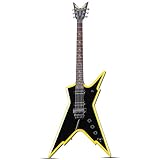
- Body style: solid-body single cut, S-style double cut or other shapes. Solid-body is the most common for beginners.
- Pickup configuration: S-S-S for classic bright tones, H-H for thicker tones, H-S-S for a balance of both.
- Neck and scale: common scale lengths are 24.75 inch or 25.5 inch. Neck profile described as C, U or V; C is a comfortable all-round choice.
- Frets and fingerboard: 21 or 22 frets are typical. Materials include laurel or maple. Stainless steel or nickel-silver fretwire affects longevity and feel.
- Bridge type: fixed Tune-O-Matic style for tuning stability or tremolo for pitch modulation; tremolo systems often need more setup.
- Amplifier specs in kits: 20 to 40W is fine for practice. Look for EQ controls, headphone jack and AUX input to play along with tracks.
- Accessories: bag or gig bag, tuner, spare strings, strap, cable and picks add immediate value if included.
Where to buy and common mistakes to avoid
Online retailers offer price and selection advantages but check seller ratings, return policy and warranty before buying.
Brick and mortar stores let you try instruments for feel and balance, and staff can set up the guitar for you.
Common mistakes to avoid:
Brick and mortar stores let you try instruments for feel and balance, and staff can set up the guitar for you.
Common mistakes to avoid:
- Choosing purely on looks rather than how the guitar plays.
- Buying a kit and expecting perfect setup out of the box; many instruments need a simple professional setup.
- Ignoring amp features; a headphone jack and AUX are hugely useful for practice.
- Overlooking hardware quality such as tuners and bridge, which affect tuning stability.
- Assuming all full-size guitars will suit smaller players; check neck thickness and scale.
Expert tips and quick recommendations
- If you are a complete beginner, choose a complete starter kit with an amp, cable, tuner and bag to get playing straight away.
- If you want a classic warm tone choose a mahogany body with humbuckers. For cleaner, jangly tones choose single-coil pickups.
- Look for at least 22 frets and a comfortable C-shaped neck for most players.
- Prefer tuners with a higher gear ratio for easier fine tuning, for example 18:1 style ratios are common on entry instruments.
- Buy from a retailer that offers easy returns and a short warranty. After purchase, budget for a professional setup to improve action and intonation.
- Check the amp includes headphone output and an AUX input so you can practise silently and play along with tracks.
Final Thoughts
Decide first whether you want a ready-to-play kit or a higher-quality instrument to upgrade later. Prioritise playability, pickup type and basic hardware. Try before you buy where possible, and if buying online check returns and warranty. Finally, get a professional setup once you have the guitar to make it feel and sound its best.