


Buying Guide
How to Buy a Smartwatch or Fitness Tracker
A short, practical guide to help you choose the right smartwatch or fitness tracker. Covers what to check, the main types, key specifications, where to buy, common mistakes to avoid and quick expert tips to help you act fast.
Key factors to consider
Decide your primary use first: health and sleep tracking, sports performance, or staying connected with calls and notifications.
- Compatibility with your phone's operating system and the companion app is essential for reliable syncing.
- Battery life: expect between 5 and 13 days depending on features and screen type; longer life suits all-day health tracking.
- Display: larger, higher-resolution screens are easier to read during workouts and outdoors.
- Water resistance: check the rating for your needs (waterproof for swimming versus splash resistant for everyday use).
- Sensors and connectivity: continuous heart rate, SpO2, sleep and stress tracking, built-in or phone-linked GPS, Bluetooth calling and microphone for hands-free use.
- Warranty and customer support: look for clear guarantees and easy returns.


Types available and the features that matter
Main categories:
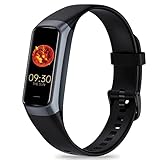
- Basic fitness bands: compact, long battery life, step and sleep tracking.
- Fitness-first trackers: more sport modes and advanced recovery metrics, often integrate with training apps.
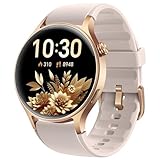
- Hybrid smartwatches: classic look with notifications and limited apps.
- Full smartwatches: larger displays, voice assistants, Bluetooth calling and many smart features.
- Screen size and type: 1.3" to 1.8" screens are common; AMOLED or high-resolution LCD improves visibility.
- Battery capacity and charge time: shorter charge time (about 1.5 to 2 hours) and multi-day use make daily life simpler.
- Number of sport modes: hundreds of modes are helpful but accuracy matters more than the count.
- Water rating: IP68 or higher for everyday wet conditions; 50m rating if you swim regularly.
- GPS: built-in GPS gives more accurate outdoor tracking than phone-GPS linked modes.
- App ecosystem and integrations: ensure the companion app stores and exports the health data you need, and whether any subscription is included or required.
Where to buy and common mistakes to avoid
Buying online versus in store:
- Online offers better prices and deals, and wider choice; check verified reviews, seller ratings, returns policy and delivery times.
- Retail stores let you try the watch for comfort, screen readability and strap fit before you buy.
- Buying for looks alone without checking sensor quality, battery life and phone compatibility.
- Assuming a high number of sport modes equals better tracking; accuracy and relevant modes are more important.
- Misreading waterproof claims; check exactly what activities are covered.
- Overlooking the companion app and any subscription costs or privacy settings.
- Ignoring warranty length and how to contact support if something goes wrong.

Quick expert tips and next steps
- Prioritise battery life and sensor accuracy for everyday health monitoring.
- If you want to take calls from your wrist, choose a model with Bluetooth calling and an onboard speaker and mic.
- Choose built-in GPS for regular outdoor runners or phone-GPS if you prefer a lighter device and longer battery life.
- Look for IP68 or 50m if swimming is a requirement.
- Check charging time and stand-by life so the watch stays on through sleep tracking.
- Try the companion app first if possible or read recent user reviews about app reliability and updates.
- Shortlist three models, try one on in store if you can, compare apps and warranties, then buy from an authorised seller.
Final Thoughts
Make a quick shortlist based on your primary use, confirm phone compatibility and battery expectations, and check the companion app and warranty before you buy. Test fit and screen readability where possible and choose a model that balances accurate sensors with real battery life.