




Buying Guide
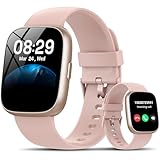
How to Buy a Fitness Tracker or Smartwatch
This short guide helps you choose a fitness tracker or smartwatch quickly. It covers the main buying factors, types available, must‑have specifications, where to buy, common mistakes to avoid and fast expert tips so you can decide with confidence.
What to consider first
Decide what you will use the device for most often: everyday activity and sleep monitoring, serious running or cycling with built‑in GPS, or staying connected with calls and payments from your wrist. Next, check comfort and fit because you will wear it all day and night.
- Primary use: fitness tracking, sport training, or smartwatch features like calls and payments
- Battery life you can live with: short (1–3 days) for feature‑rich watches, long (5–13 days or more) for simple trackers
- Phone compatibility: confirm the required iOS or Android versions before you buy
- Water resistance: everyday splash protection is different from a swim‑safe rating

Types and the most important features
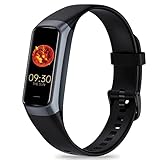
There are three common types: slim activity bands for step and sleep tracking, full smartwatches with large colour screens and apps, and budget smartwatches that add calling and voice assistants. Match the type to your needs.
- Connectivity and calling: Bluetooth calling lets you answer from your wrist; check microphone quality and speaker presence
- Location and training: built‑in GPS records runs independently; phone‑connected GPS uses your phone and saves battery
- Health sensors: continuous heart rate, SpO2, sleep stages and stress scoring are useful but vary in accuracy
- Display and controls: AMOLED or high‑resolution LCD gives better visibility; larger screens make apps easier to use
- Payments and maps: contactless payments and mapping/navigation are only on some devices
- Durability and battery: look at stated battery life in real‑world use, charging time and whether the charger is proprietary
- Subscriptions: some devices include a free trial but require paid subscriptions for advanced reports
Where to buy and mistakes to avoid
Buy online for the best prices and wide choice, but use authorised retailers or the official store to secure warranty support. Visit a shop if you want to try sizes and straps in person.
Common mistakes to avoid:
- Ignoring compatibility requirements and app reviews before purchase
- Overlooking ongoing costs such as premium subscriptions for sleep or training insights
- Assuming all water‑resistant means swim‑proof; check the exact rating and manufacturer guidance
- Choosing the flashiest feature set without testing battery claims for your usage pattern
- Buying from unknown sellers with no returns or warranty proof
Quick checklist and expert tips
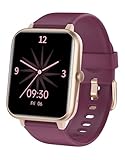
Use this checklist when comparing models and offers.
- Battery life: pick a device that gives several days between charges at your expected usage level
- GPS: choose built‑in GPS for accurate workout data; choose phone‑paired if you prioritise battery and cost
- Sensors: verify heart rate and SpO2 are included if health monitoring is important
- Screen size and readability: larger, brighter screens improve day use and night use
- Comfort and strap options: try different bands or ensure replacements are easy to buy
- Check what the box includes: charging cable, extra straps or a trial subscription
- Warranty and returns: prefer sellers with clear returns, and register the device after purchase
Final Thoughts
Choose the type that fits your daily routine, confirm phone compatibility and water rating, and use the quick checklist when comparing models. Buy from an authorised seller with a reasonable return policy and keep an eye on any subscription costs. With the right balance of battery life, sensors and comfort you will get a device you use every day.


