


Buying Guide
How to Buy a Fitness Tracker or Activity Watch
This short guide helps you choose the right fitness tracker or activity watch fast. It explains what to prioritise, the main types on the market, the essential features and specs to check, and where to buy while avoiding common mistakes.
What to consider first
Decide your primary purpose: casual activity logging, serious training, sleep and health monitoring, or hands-free communication.
Check phone compatibility and app quality - most devices work with iOS and Android but some features require recent OS versions.
Set a realistic budget. Expect basic bands under £25, mid-range trackers around £50 to £100, and specialised heart-rate monitors above £100.

Types available
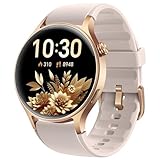
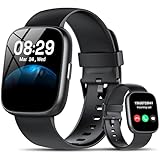
- Touchscreen smartwatches - look like small watches, offer calls, notifications and colour displays. Good if you want richer on-device controls.
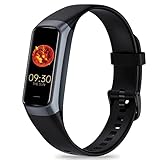
- Fitness bands - slim, lightweight and often screenless. Excellent battery life and simple activity and sleep logging.
- Chest-strap or multi-position heart-rate monitors - highest heart-rate accuracy for training. Often pair with phones and gym kit.
- Hybrid solutions - trackers that include removable straps, water resistance and optional wrist or chest wear for different sports.
Key features and specifications to prioritise
- Sensors and measurements - continuous heart rate, SpO2 and sleep stages are common. Blood pressure readings are usually indicative, not medical grade.
- GPS - choose built-in GPS for accurate outdoor tracking without a phone, or connected GPS if you prefer longer battery life and smaller devices.
- Battery life - AMOLED touchscreens drain faster. Screenless or low-power displays can last weeks, touch devices typically last days.
- Waterproof rating - IP67/IP68 suits shower and rain; 50m or specific swimming ratings are needed for regular swimming.
- Accuracy - chest straps give the best heart-rate data; wrist PPG is fine for everyday use but can vary during intense exercise.
- On-device features - call handling, speaker/mic, on-board memory for phone-free workouts, and custom sport modes can be useful depending on your needs.
- App ecosystem and subscriptions - check whether advanced insights require paid premium plans.
- Warranty and support - aim for clear return policies and at least a year of warranty; some sellers offer extended guarantees.

Where to buy, common mistakes to avoid and expert tips
Online retailers offer better prices and wider choice; retail stores let you try size and comfort before buying. If buying online, check the returns window and seller ratings.
Common mistakes to avoid:
- Buying purely on price - very cheap devices often lack accurate sensors or reliable apps.
- Assuming clinical accuracy - consumer trackers are for lifestyle insights, not medical diagnosis.
- Ignoring compatibility - some features work only with newer phones or specific apps.
- Overlooking warranty and support - returns and responsive support save time if the device is faulty or the app is unusable.
Expert tips:
- If you need long battery life, choose a band with a simple display or no screen.
- For precise training metrics pick a chest strap or a device that supports external ANT+ or Bluetooth chest sensors.
- Choose IP68 or a 50m swim rating if you plan to swim regularly.
- Try the strap for at least a day to confirm comfort before committing.
- Factor subscription costs into your long-term budget for advanced coaching features.
Final Thoughts
Pick the type that matches your main use, prioritise battery life, water resistance and sensor accuracy for your sport, and verify app compatibility and warranty before buying. If you need reliable heart-rate data for training choose a chest strap or a proven tracker; for everyday wellness a mid-range band or activity watch will usually be the best value.