



Buying Guide
How to Buy Gaming Headsets
This short guide helps you pick the right gaming headset fast. It covers what to consider, the main types available, the specs that matter, where to buy and common pitfalls to avoid. Use it to shortlist the best options for your play style and budget.
What to consider and the main types available
Decide your primary use first - competitive play, streaming, console TV gaming or portable use will point you to different designs. Key choices are connectivity and price.
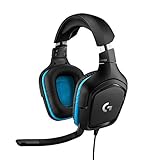
- Wired headsets (USB or 3.5mm) - lowest latency, simple setup, plug and play with many devices.
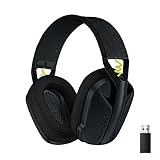
- Wireless 2.4GHz - low latency and dongle-based, good for competitive gaming and living-room setups.
- Bluetooth or hybrid wireless - convenient for mobile use and switching devices, but may show higher latency in fast-paced games.
- Premium wireless with base station or hot-swap batteries - for long sessions and advanced features like onboard profiles and unlimited play via spare batteries.
- Price bands to expect: budget options around £50-70, mid range £80-120, premium £200+ for advanced wireless systems.


Key features and specifications to check
Look for features that match how you game and communicate. Short checklist below helps compare quickly.
- Driver size and sound tuning - 40-50mm drivers are common; check if the headset offers clear highs and solid bass for footsteps and explosions.
- Positional audio - labelled virtual 7.1 or spatial modes help locate opponents, but performance varies, so read reviews.
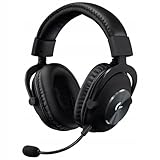
- Microphone quality - detachable or flip-up mics with noise reduction are best for clear chat and streaming; check whether the mic is muteable and how it handles background noise.
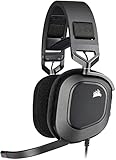
- Comfort and materials - memory foam earpads, breathable fabrics and lower clamping force matter for long sessions; look for replaceable pads.
- Connectivity and compatibility - confirm native support for your platform (PC, console, handheld) and whether a USB sound card or dongle is included.
- Battery life and charging - note real-world battery hours; some systems offer hot-swap batteries or long 60+ hour life for marathon sessions.
- Software and on-board controls - EQ, audio presets and firmware updates improve sound and fix issues; on-base profiles are handy for tournament use.
Where to buy and common mistakes to avoid
Choose the purchase channel based on whether you need to try before you buy or want the best selection and deals.
- Online retailers - wider range, user reviews, frequent discounts. Check return policy, warranty and whether the seller is reputable.
- High-street stores - useful to test comfort and build quality before committing, but stock is limited.
- Buying Bluetooth for fast competitive FPS without confirming latency - wired or 2.4GHz is safer for low lag.
- Assuming all surround sound labels give the same positional accuracy - read independent audio tests.
- Ignoring microphone performance and platform compatibility - a great-sounding headset can still give poor chat quality if the mic is weak or unsupported.
- Overlooking included accessories - dongles, splitters, spare cables and carrying cases can add value.
Quick expert tips to finalise your choice
- Pick wired or 2.4GHz wireless for competitive play, Bluetooth for casual or mobile use.
- Prioritise microphone clarity if you stream or play with a team; choose detachable mics for flexibility.
- If you wear glasses, try the headset for comfort first or choose softer, breathable earpads.
- For long sessions prefer models with replaceable pads and either long battery life or hot-swap batteries.
- Keep firmware and apps updated and save a preferred EQ to the device or dongle where possible.
- If spending over £150, confirm the warranty and consider an extended plan for high-use scenarios.
Final Thoughts
Make a quick shortlist of three headsets that match your connectivity, comfort and mic requirements. Check platform compatibility and return terms, compare user reviews and buy from a seller with a clear warranty. Test the headset for comfort and chat quality within the return window and update firmware before use.