


Buying Guide
How to Buy a Microwave Oven
This short guide explains what to check and how to decide when buying a microwave oven. It covers the most important factors, the main types you will find, the key specifications to compare, and practical buying tips so you can choose quickly and confidently.
What to consider before you buy
Think about how you will use the microwave and where it will live. Key points to decide first:
- Usage: reheating and defrosting only, everyday family cooking, or crisping/roasting?
- Space: measure the worktop or cupboard depth and allow clearance for ventilation and the door to open.
- Capacity: how many plates or how large a casserole you need to fit inside.
- Budget: simple models meet basic needs, while combination ovens cost more but replace an oven for some tasks.
- Power and energy: higher wattage cooks faster but can use more electricity; check typical noise levels if kitchen is open plan.

Types and who they suit
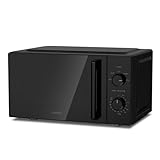
- Solo microwave - Basic model for reheating, simple meals and defrosting. Choose for single people or occasional use.
- Grill microwave - Adds a browning element for toast and crisp edges. Good for small roasts and casseroles.
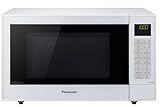
- Combination microwave with convection - Uses microwave plus fan-heating so you can roast, bake and crisp without a conventional oven. Ideal for families who want one appliance to do many jobs.
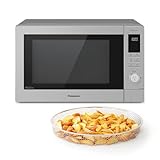
- Air-fry or steam combo - Includes air-fry or steaming functions to reduce oil or retain nutrients. Pick this if you want healthier frying or quick steaming.
- Inverter technology - Provides steadier, more even heat control than simple on/off power cycling. Best when you reheat delicate foods or prepare baby food.
Key features and specs to check
Compare these specifications and look for minimum practical values:
- Capacity: 20-25 litres for singles or small kitchens; 28-32 litres for families. Check cavity width so plates fit - 330mm plus is common for larger models.
- Power (W): 700-800W is fine for reheating; 900-1000W gives quicker cooking and better combination results.
- Power levels and programmes: 5 or more power levels and several auto menus make everyday use easier.
- Inverter or sensor cook: sensors adjust time by steam output for better results; inverter gives more even heat at low power.
- Turntable vs flatbed: turntable is common and cheaper; flatbed gives more usable space and easier cleaning.
- Combination functions: check grill wattage, convection temperature range, and whether air-fry or steam accessories are supplied.
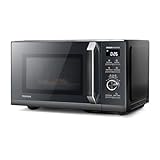
- Controls and display: simple dials suit quick tasks; touch controls and digital displays give more presets but can be fiddly for older users.
- Safety and maintenance: child lock, removable turntable, easy-clean interior, and a stainless or enamel cavity for durability.
- Dimensions and ventilation: confirm external depth, height and required clearances to avoid buying a unit that will not fit.

Where to buy, mistakes to avoid and quick tips
Decide between buying online or in-store based on what matters to you. Online is convenient and often cheaper; in-store lets you check controls and size in person. Before purchase check delivery, installation and returns policy. Common mistakes to avoid:
- Buying without measuring available space and plate size.
- Choosing a high-wattage model when you only need reheating functions.
- Overpaying for rarely used features like convection or steam if you will not use them.
- Ignoring ventilation needs and placement near cabinets or walls.
- If you mostly reheat and defrost, a 20-25L solo model at 700-800W is economical and practical.
- For family cooking and larger dishes choose 28-32L with around 900-1000W and a 34cm turntable.
- Pick inverter or sensor models for even heating and better defrosting results.
- Check user reviews for reliability and noise; look for quiet operation around 50-60 dB if the kitchen is open plan.
- Confirm warranty and spare part availability before buying, especially for combination functions.
Final Thoughts
Choose the smallest model that meets your plate size and cooking needs, or a combination oven if you need roasting and crisping features. Measure carefully, compare wattage and capacity, favour inverter or sensor technology for even results, and check delivery and warranty terms. Follow the quick tips above and you will make a confident, practical purchase.