


Buying Guide
How to Buy a Portable Music Player
This short guide explains what to look for when buying a portable music player. It covers the main buying factors, the common types available, key specifications to check, where to buy and pitfalls to avoid, plus quick expert tips to help you choose the right device fast.
Key factors to consider
Use: decide how you will use the player - running and gym use demands compact size and physical buttons, while home or travel use can justify larger screens and streaming features.
- Audio quality and formats: check support for FLAC, APE, WAV and, if you care about true high-resolution audio, DSD support and a good DAC.
- Connectivity: look at Bluetooth version (5.x preferable), supported codecs (LDAC, AAC, SBC) and whether Bluetooth works as source and sink. WiFi lets you stream apps and download music.
- Storage and expandability: note built-in memory and whether there is a microSD slot; many players support up to 512GB or 1TB cards.
- Battery and playback time: manufacturers list hours but actual life depends on volume, Bluetooth use and screen on time. Larger mAh values usually give longer playback.
- Controls and screen: touchscreens are convenient for browsing, smaller touch screens are pocketable; IPS displays give better visibility outdoors.
- Extras: built-in speaker, FM radio, recording function, and parental controls matter for specific users.


Types available and important specs
There are four common categories to choose from:
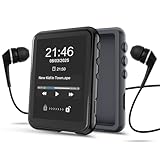
- Basic offline players: simple, small, usually long battery life and physical controls. Good for exercise and budget buyers.
- HiFi dedicated players: focus on lossless playback, advanced DACs and support for high-resolution formats. Best for serious listeners.
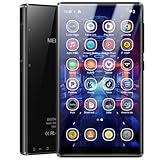
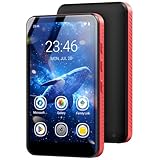
- Android smart players: full apps, WiFi streaming and access to app stores. Useful if you want streaming services without a phone.
- Kids and rugged players: preloaded apps, parental controls and durable cases.
- Supported audio formats and any lossless or DSD support
- Bluetooth version and codec support (LDAC for hi-res, AAC for Apple devices)
- Screen size and resolution if you plan to watch video
- Battery capacity in mAh and quoted playback hours
- Physical connectors: 3.5mm jack, USB-C, and microSD slot
- Weight and dimensions if portability is important
Where to buy and common mistakes to avoid
Online retailers offer better prices and a wider choice, but check seller ratings, delivery times and the returns policy. High-street stores let you test the feel, screen and basic sound with your own headphones.
- Do not assume Bluetooth will pair with every device; some players limit pairing options or work only as audio sources.
- Do not buy on storage alone; opt for expandable memory if you have a large library.
- Avoid believing battery hours are fixed; check reviews for real-world figures.
- Check charger compatibility and advice in the manual; many players prefer a standard 5V charger and may be damaged by fast chargers.
- Watch stock messages and delivery estimates for new or scarce items.

Expert tips and quick checklist
Practical tips to help you decide fast:
- Match the player type to your primary use - compact for sport, HiFi for critical listening, Android for streaming.
- Choose Bluetooth 5.x and LDAC support if you want high-quality wireless listening.
- Prefer models with microSD expansion so you can add capacity later.
- For video or browsing, pick an IPS screen of at least 3 inches.
- Carry a protective sleeve and check included accessories to avoid extra purchases.
- Buy from a seller that offers clear returns and prompt customer support.
- Intended use selected
- Formats and codecs confirmed
- Storage and expansion verified
- Battery life realistic for your use
- Seller returns and warranty checked
Final Thoughts
Decide first how you will use the player, then pick the category that matches that use. Prioritise format support, Bluetooth codecs and expandable storage. Buy from a reputable seller who offers returns and test the player with your own headphones if you can. Use the quick checklist to make a confident purchase fast.