



Buying Guide
How to Buy a Cold Press Juicer
This short guide helps you choose a cold press masticating juicer. It covers the most important factors, the main types you will find, key features and specs to check, where to buy, common mistakes to avoid and quick expert tips to start juicing with confidence.
Key factors to consider
Think about how you will use the machine and choose accordingly.
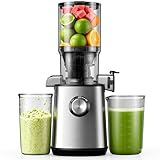
- Feed chute size and capacity - wider chutes (around 100 to 145 mm) and larger hoppers (from about 0.7L up to 2L) save prep time and are better for batch juicing.
- Motor power and speed - 200W to 300W motors with slow RPM preserve nutrients; lower speeds reduce heat and oxidation.
- Auger design - single auger is common and compact; dual-screw designs can extract more from leafy greens and reduce foam.
- Juice yield and filtration - multiple filter meshes give control over pulp and smoother juice; manufacturers may claim very high yields so check independent reviews.
- Cleaning and maintenance - look for few removable parts, a good cleaning brush and dishwasher-safe components if you want minimal fuss.
- Safety and durability - BPA-free materials, safety locks, auto-stop when opened and overheat protection (with cooling times) are important for family use.
- Accessories and warranty - included jugs, pulp container, extra filters and at least a one year warranty add value.


Types and important features
There are a few common types and features to match to your routine.
- Slow masticating juicers - best for nutrient retention and leafy greens, operate at low RPM and extract gently.
- Self-feeding or auto-feed models - have a hopper that holds fruit so you can top up and walk away for short periods.
- Compact models - smaller footprint for single users or small kitchens, but often need more prep.
- High-capacity batch models - wider opening and larger juice containers for family breakfasts or entertaining.
- Useful features - reverse function to clear blockages, anti-drip lid to avoid mess, multiple filter sizes for different textures, tamper and safety interlocks.
- Practical specs to check - motor wattage (200 to 300W typical), capacity in litres, claimed extraction efficiency, and any stated continuous run time and required cool-down period.
Where to buy and mistakes to avoid
Decide whether you need to see a unit before buying or prefer the convenience of online shopping.
- Online buying - excellent for comparing prices, reading many user reviews and finding deals. Check seller ratings, delivery times, return policy and spare parts availability.
- In-store buying - useful to check size, weight and noise level in person and to test how parts fit together.
- Common mistakes to avoid - buying only on price, ignoring chute size so you end up spending ages prepping, assuming dishwashability without checking the manual, trusting marketing yield numbers without reviews, and overlooking warranty or after-sales support.
- Also check stated overheating protection and cool-down intervals so the machine suits how you plan to use it.

Expert tips and a quick checklist
Short practical tips to get the best results.
- If you juice leafy greens often choose a slow model with good extraction and a dual-screw or specialised auger.
- Large chutes are worth it if you want minimal chopping; otherwise expect to quarter apples and remove pits.
- Use the reverse function to clear jams and alternate hard and soft produce to prevent clogs.
- Clean parts straight away; dried pulp is far harder to remove.
- Don’t run for longer than the recommended continuous time; allow the motor to cool as advised.
Final Thoughts
Choose a cold press juicer that matches how often and what you will juice. Prioritise chute size and ease of cleaning for speed, and auger design and slow speed for yield and nutrient retention. Check reviews, warranty and return options before you buy, and follow the simple tips above to get reliable, delicious results quickly.


