


Buying Guide
How to Buy Kitchen Towels
This short guide helps you choose between disposable kitchen rolls and reusable tea towels. It explains the key things to check, the main types available, where to buy and common buying mistakes, and gives quick expert tips so you can act fast and confidently.
Key factors to consider
Absorbency and strength are the most important factors. For paper rolls look for ply count and sheet size - more plies and larger sheets usually mean fewer sheets used. Check sheets per roll and rolls per pack to work out value. Sample sizes in the market include rolls with about 63, 70 or 80 sheets per roll and packs from 6 up to 18 rolls. For cloth towels check fibre type, weave and size - 100% cotton, terry or dobby weaves and sizes such as 38 x 64 cm or 68 x 42 cm affect absorbency and drying speed. Sustainability and packaging matter if that influences your choice - look for recycled or recyclable packaging, FSC certification and chlorine-free paper.


Types and features to look for
- Disposable kitchen rolls - standard sheets for everyday spills, heavy-duty triple-ply for tough jobs, jumbo rolls with more sheets to reduce replacements.
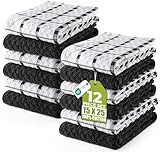
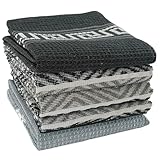
- Reusable tea towels - terry cotton for drying and absorption, ring-spun or dobby weaves for softness and durability, multipacks for rotation.
- Important features - lint-free finish for glass and stainless steel, large sheet area for fewer tears, machine washable for cloths, quick-dry fabrics to avoid smells, FSC or similar certification for responsible sourcing, chlorine-free paper for gentler manufacture.
Where to buy and common mistakes to avoid
Online stores give the widest range and often better bulk prices, but check shipping costs and stock status - some items may show an available date rather than immediate dispatch. High street and grocery stores are convenient for immediate needs and returns. Common mistakes to avoid:
- Comparing pack prices without calculating price per sheet or per wash.
- Assuming higher ply always gives better value - a thicker sheet that wastes less can be cheaper overall.
- Buying more of a product on promotion without checking roll size or sheet count.
- Expecting new cotton towels to be fully absorbent before the first wash - prewash reusable towels to improve performance.

Quick expert tips
Calculate cost per usable unit - price divided by (rolls x sheets per roll) or price divided by number of washes for cloths. Keep a mixed approach - reusable towels for everyday drying and washing up, disposable rolls for greasy or heavily soiled jobs. Buy larger rolls or bulk packs if storage space allows - they often reduce cost per sheet. Check labels for FSC or recycled packaging if sustainability matters. Prewash cotton towels and rotate them to extend life and reduce odour.
Final Thoughts
Decide first whether you want mostly disposables or reusables, then compare absorbency, sheet size and pack quantity to get the best value. Use the cost-per-sheet or cost-per-wash method, check shipping and availability, and prewash reusable towels. With those quick checks you will make a practical, budget-smart choice.