



Buying Guide
How to Buy a Stand Mixer
This short guide explains what to look for when buying a stand mixer, compares the main types, highlights the most important specifications, and gives practical tips so you can buy quickly and with confidence.
What to consider first
Capacity and use case: choose a bowl size that suits how often and how much you bake. Options here range from about 4.8 litres for everyday home baking to nearly 7 litres for large batches.
Power and durability: look for a robust motor and metal gears if you plan to mix dense doughs. Some models offer motors around 300W and commercial-style construction for continuous use.
Kitchen space and weight: bowl-lift machines are heavier and more stable for big jobs; tilt-head designs are easier to store and remove attachments.
Budget and availability: these mixers vary widely in price. Check current stock and shipping offers before committing, as some listings can be scarce.
Power and durability: look for a robust motor and metal gears if you plan to mix dense doughs. Some models offer motors around 300W and commercial-style construction for continuous use.
Kitchen space and weight: bowl-lift machines are heavier and more stable for big jobs; tilt-head designs are easier to store and remove attachments.
Budget and availability: these mixers vary widely in price. Check current stock and shipping offers before committing, as some listings can be scarce.


Types and capacities
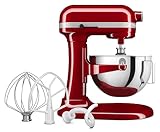
- Tilt-head: simpler and compact, ideal for small kitchens and occasional bakers.
- Bowl-lift: heavier, locks the bowl securely, better for heavy doughs and frequent baking.
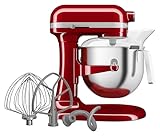
- Commercial / heavy duty: larger motor and bowl (around 6.9 litres), designed for catering or very large batches.
Key features and specifications to check
- Speeds: more speed settings give finer control. Typical ranges include about 10 to 11 speeds and a low 'fold' speed for gentle mixing.
- Motor power: higher wattage helps with heavy doughs. Look for thermal protection so the unit shuts off if it overheats.
- Construction: full metal body and metal gears are more durable than plastic internals.
- Bowl and accessories: stainless steel bowls are best for hygiene and durability. Check which attachments are included (whisk, flat beater, dough hook) and whether they are dishwasher safe.
- Stability and safety: a secure bowl locking system and safety switches prevent slips and accidents.
- Warranty and support: longer guarantees indicate manufacturer confidence and make repairs easier.
Where to buy, mistakes to avoid and quick expert tips
Buying online vs in store: online listings let you compare prices and read reviews; check shipping costs and delivery times as some items may be low in stock. In store you can test size and weight but selection may be limited.
Avoid these common mistakes:
Avoid these common mistakes:
- Undersizing the bowl for your typical recipes.
- Choosing a lightweight model with plastic gears if you plan to mix heavy doughs.
- Overlooking warranty, return policy and delivery details.
- Not checking the included attachments and spare part availability.
- If you bake bread often, favour bowl-lift designs for their stability.
- For occasional baking pick a tilt-head to save space.
- Buy a model that includes the three core attachments so you can start straight away.
- Allow a small capacity margin above your largest recipe so the mixer does not run at full load.
- Register the product with the manufacturer and keep proof of purchase for warranty claims.
Final Thoughts
Decide first how often and how much you will bake, then match capacity, motor strength and build type to that need. Prioritise durable construction, the right bowl size and included accessories, check stock and delivery, and register the guarantee. With those checks you will end up with a reliable mixer that fits your kitchen and baking plans.


