
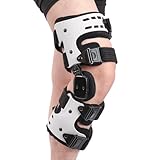



Buying Guide
How to Buy Knee Braces
This short guide helps you choose the right knee brace quickly. It covers what matters, the main types you will see, the key features and common errors to avoid, plus where to buy and practical buying tips based on recent product examples.
Key factors to consider
Match the brace to your need before anything else.
- Pain cause: choose an unloader or hinged brace for osteoarthritis and joint degeneration, and a lightweight strap system for tendon or patella problems.
- Support level: rigid hinges and metal side stabilisers give strong stability; neoprene and multi-strap designs provide compression and mild support.
- Sizing and side: some braces are left or right specific while others are universal. Measure as advised by the seller before buying.
- Comfort and wear time: breathable, low-bulk materials are better for all-day use; heavier orthoses suit short-term post-op use.
- Price: expect basic strap supports from about £22 and more structured hinged or unloader braces up to about £66 in the sample range.
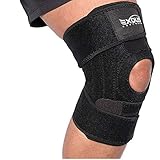

Types and who they suit
- Unloader/offloader braces - for medial or lateral knee osteoarthritis and bone-on-bone pain. They shift load away from the damaged compartment.
- Hinged braces with ROM inserts - for post-operative protection, ligament injuries and instability. Look for adjustable range of motion inserts to limit extension and flexion.
- Multi-strap neoprene supports - slimline, comfortable and good for running, skiing or patella tendon issues where mobility matters more than rigid support.
- Heavy-duty stabilisers with metal side bars - for severe instability, meniscus or ACL/MCL recovery when maximum support is needed.
Important features, common mistakes and specs to check
Look for these specific features when comparing listings.
- Adjustability - push-pull or tension systems and multiple ROM inserts (some offer 13 inserts) let you fine tune offloading and movement limits.
- Non-slip design - ensures the brace stays in place during activity.
- Breathable, lightweight materials - reduce irritation and are better for daily wear.
- Open patella or patella support - improves kneecap tracking and comfort for some conditions.
- Left or right designation - do not assume a one-size-fits-all; check whether the product is side specific.
- Buying without measuring. Measure thigh and calf as recommended and follow the seller sizing chart.
- Choosing a sports brace for a medical offloader need or vice versa. Each design addresses different problems.
- Ignoring ROM limits. If you need post-op protection, make sure the brace can limit extension and flexion.
- Overlooking return policy and stock levels. Some listings can be low on stock, so check availability before committing.

Where to buy and expert tips
Online marketplaces are convenient and often show price comparisons and reviews; specialist medical suppliers or physiotherapy services can provide fitting and tailored advice.
- Check delivery and returns so you can exchange sizes if the fit is wrong.
- Read recent user feedback for real-world notes on slippage, comfort and durability.
- If you have moderate to severe joint damage or post-op needs, consult a clinician or physiotherapist before buying.
- Care: hand wash and air dry to preserve straps, hinges and non-slip coatings.
- Quick checklist before you buy: correct type, correct side, correct size, adjustable ROM if needed, breathable materials, and a sensible return policy.
Final Thoughts
Decide first whether you need offloading, rigid stability or a slim sports-style support, then measure carefully and check adjustability and side specificity. Buy from a seller with clear sizing and a fair returns policy, and consult a clinician for post-op or severe cases. Small checks at purchase keep you comfortable and save time.


