


Buying Guide
How to Buy a Kitchen Knife Sharpener
This short guide explains what to consider when buying a kitchen knife sharpener, the main types you will find, which features matter, where to buy, common pitfalls to avoid and a few expert tips to get knives cutting like new.
Key factors to consider
Match the sharpener to your knives and skills. Consider blade type (thin Japanese blades need a shallower angle than thicker Western blades), whether you have serrated or ceramic knives, how often you cook and your comfort with manual sharpening. Set a budget: basic honing rods start around £15 while complete rolling or guided sharpening systems cost £25 to £55 for more versatility. Think about space and storage and whether you want a quick touch-up tool or something that will re-profile very blunt edges.


Types available and when to choose them
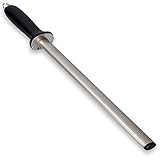
- Honing rod with diamond coating - Best for quick touch ups and restoring a rolled edge. Easy to store and use for routine maintenance.
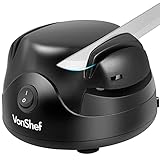
- Handheld guided sharpener with a ceramic wheel - Simple to use on plain edges; good for regular maintenance and beginners. Often has a fixed angle guide and non-slip base.
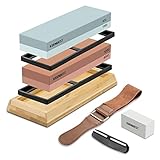
- Rolling or guided stone systems with dual grits - Offer coarse and fine abrasive discs and adjustable angle guides. Ideal if you want a controlled re-sharpen and a polished edge; includes accessories like leather strops in some kits.
Important features and specifications
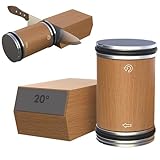
- Angle settings - Look for options around 15 degrees for fine slicing blades and 20 degrees for sturdier kitchen knives.
- Grits - A coarse grit (for example around 400) removes metal quickly; a fine grit (around 1000 or higher) refines the edge. Dual-grit systems are most flexible.
- Abrasive type - Diamond coatings cut fast and last well; ceramic wheels give a fine finish but wear over time.
- Safety and ergonomics - Non-slip base, finger guards and a comfortable handle matter for safe, repeatable results.
- Compatibility - Check whether the sharpener handles serrated or ceramic blades; many are only for plain edges.
- Replaceable parts and maintenance - Replaceable wheels or stropping leather extend life. Some systems recommend water for ceramic wheels; follow manufacturer care instructions.
Where to buy, mistakes to avoid and quick expert tips
Buy online for widest choice and to compare reviews and angles, but try a hands-on demo in-store if you are new to sharpening. Check returns and warranty, and look for clear instructions or video support. Common mistakes to avoid:
- Using too much pressure - let the abrasive do the work to avoid removing excess metal.
- Sharpening serrated edges with a standard flat wheel - this will damage the serrations.
- Ignoring angle - sharpening at the wrong angle ruins edge geometry.
- Skipping a final honing or strop - you will lose cutting performance without edge refinement.
- Start coarse to remove chips or bluntness, then finish with the fine grit and a leather strop for polish.
- Hone lightly between sharpenings to maintain the edge and reduce the need for aggressive re-grinding.
- Test sharpness safely using paper or tomato skin rather than fingers.
Final Thoughts
Choose a tool that matches your knives and confidence level. For routine upkeep a diamond honing rod or a small handheld guided unit works well and costs under £30. If you want precise angle control and the ability to re-profile very blunt blades, invest in a dual-grit guided or rolling system with angle guides and a strop. Read instructions, practise on a cheaper blade and maintain the edge regularly for the best results.