



Buying Guide
How to Buy CB and Shortwave Radios
This short guide helps you choose the right CB or shortwave radio for driving, travelling or hobby listening. It covers what matters most, the main types available, the key specifications to check, where to buy and practical tips to avoid common mistakes.
Key factors to consider
Intended use and location: Do you need a vehicle-mounted radio for road communication, a base unit for home use or a portable shortwave receiver for travel?
Power and installation: Vehicle mobiles need a stable 12V supply and a correctly mounted antenna; portables need a battery with useful capacity.
Range expectations: Standard AM CB works well locally; SSB provides better long-distance reception and talk capability but needs more tuning skill.
Legal and local rules: Check local licensing and frequency rules before you buy.
Power and installation: Vehicle mobiles need a stable 12V supply and a correctly mounted antenna; portables need a battery with useful capacity.
Range expectations: Standard AM CB works well locally; SSB provides better long-distance reception and talk capability but needs more tuning skill.
Legal and local rules: Check local licensing and frequency rules before you buy.
- Decide use first: mobile, base or portable.
- Plan antenna, power and mounting for mobiles.
- Set a realistic budget that includes antenna and installation.

Types and which to choose
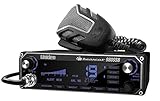
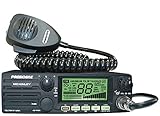
Mobile CB radios - compact units designed for vehicles with dedicated mounting brackets and vehicle power leads. Good for drivers who need hands-on operation and higher transmit power.
SSB-capable CBs - add single sideband for extended range and clearer long-distance contacts; choose these if you expect to communicate beyond line-of-sight.
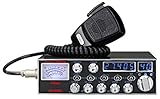
Base and desktop units - larger displays and meters, easier to tweak, ideal for home stations and workshops.
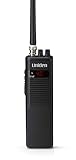
Portable full-band shortwave receivers - battery powered, multi-band coverage (SW/CB/VHF/UHF/WX) for travel and emergency listening.
SSB-capable CBs - add single sideband for extended range and clearer long-distance contacts; choose these if you expect to communicate beyond line-of-sight.
Base and desktop units - larger displays and meters, easier to tweak, ideal for home stations and workshops.
Portable full-band shortwave receivers - battery powered, multi-band coverage (SW/CB/VHF/UHF/WX) for travel and emergency listening.
- Choose a mobile for on-road use.
- Choose SSB if you want greater range and better reception on weak signals.
- Choose a portable receiver if you need full-band listening and battery operation.
Features and specifications to check
Essential features to prioritise:
- SSB support - for improved range and quieter reception on long-distance signals.
- Power output and adjustable power - to match antenna and reduce interference.
- SWR meter or automatic SWR protection - for safe antenna tuning and to protect the radio.
- Noise cancelling and noise reduction circuits - to recover weak SSB signals and reduce engine noise.
- Display clarity and backlighting options - large digits, frequency counter and selectable colours improve usability day or night.
- Weather band and alert - useful for travel and emergencies.
- VOX, PA function, mic and accessory connectors - check compatibility with aftermarket mics and handsfree kits.
- Battery capacity for portables - aim for robust mAh ratings for longer run time.
- Included accessories - look for microphone, mounting bracket and power cord to reduce extra costs.

Where to buy, common mistakes and expert tips
Online vs retail: Online gives more choice, reviews and often better prices; retail stores let you see controls and ask staff questions. Check stock messages and dispatch times before you buy.
Common mistakes to avoid:
Common mistakes to avoid:
- Buying a radio without a compatible antenna and good coaxial cable.
- Ignoring SWR and antenna tuning; a poor match will limit performance and can damage the radio.
- Choosing a unit without a frequency counter or meter if you plan to tune SSB often.
- Overlooking warranty, returns and seller reputation when price looks too good to be true.
- For vehicles pick a unit with automatic SWR or SWR alert and a large readable meter.
- If you travel, favour portables with a 5000mAh or larger battery and multi-band coverage.
- Choose models with good noise reduction and selectable display colours for night driving.
- Budget for a quality antenna, a short run of low-loss coax and professional fit if unsure about installation.
- Test the set and antenna before relying on it for long journeys.
Final Thoughts
Match the radio type to how you will use it, prioritise antenna and SWR performance, and choose SSB if you need extended range. Buy from a reputable seller, check returns and warranty, and include installation and accessories in your budget. With these checks you will get a reliable setup that works when you need it.