


Buying Guide
How to Buy a Microwave Toastie Maker
This quick guide explains what to look for when buying a microwave toastie maker, the main types you will find, must-have features, where to buy and common pitfalls to avoid. Use it to pick a practical model that fits your microwave, budget and cooking habits.
Key factors to consider
Size and fit: measure the internal dimensions of your microwave and check the product measurements so it sits flat and turns freely.
Plate material and build: thicker metal plates that retain heat produce crisper results; silicone casings improve handling and portability.
Cleaning and maintenance: removable non-stick plates make cleaning much easier and are often dishwasher safe.
Cooking speed and results: expect most models to make a toastie in about 3 to 5 minutes; look for designs that promise even heating to avoid soggy centres.
Safety: choose a design with heatproof handles or silicone casing and follow instructions about using heat-resistant gloves after cooking.
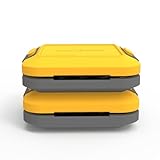
Price and value: entry-level models are typically around £25 while sturdier, heat-retaining versions are nearer £30 to £45; consider a twin pack only if you need multiple units.
Plate material and build: thicker metal plates that retain heat produce crisper results; silicone casings improve handling and portability.
Cleaning and maintenance: removable non-stick plates make cleaning much easier and are often dishwasher safe.
Cooking speed and results: expect most models to make a toastie in about 3 to 5 minutes; look for designs that promise even heating to avoid soggy centres.
Safety: choose a design with heatproof handles or silicone casing and follow instructions about using heat-resistant gloves after cooking.
Price and value: entry-level models are typically around £25 while sturdier, heat-retaining versions are nearer £30 to £45; consider a twin pack only if you need multiple units.


Types and important features
- Compact student or travel models - small, lightweight and cheap; ideal for dorms but may give lighter crisping.
- Heat-retaining metal plate models - thicker metal plates or 'heatwave' style designs for a cafe-style crunch.
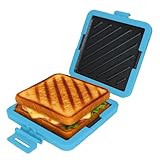
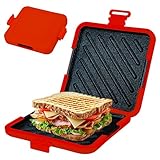
- Silicone-cased microwave grills - often lighter and more portable, sometimes with removable plates for easy cleaning.
- Removable plate designs - best if you want dishwasher convenience and simpler maintenance.
Where to buy and mistakes to avoid
Online marketplaces: wider choice, easier price comparison and more customer reviews. Check seller ratings, delivery times and return policy before buying.
High street retailers: let you inspect size and weight in person and test handling; useful if you need the item immediately.
Common mistakes to avoid:
High street retailers: let you inspect size and weight in person and test handling; useful if you need the item immediately.
Common mistakes to avoid:
- Assuming all models produce the same crispness - thinner plates often yield soggier results.
- Not checking microwave compatibility and dimensions.
- Overfilling sandwiches so the unit will not close or cook evenly.
- Buying a model without removable plates if you prefer dishwasher cleaning.
- Using the appliance without heat protection or ignoring the manufacturer instructions.
Expert tips and quick recommendations
If you want café-style crunch, favour thicker metal plate designs that hold and reradiate heat.
Choose removable, dishwasher-safe plates for the easiest cleaning and best hygiene.
For students or infrequent use, a compact silicone-cased model offers portability and a low price point.
Test cooking times in short bursts the first few times so you find the ideal setting for your microwave power and bread thickness.
Avoid overfilling. Slightly drier fillings and thinner slices of bread crisp better and waste less cooking energy.
Choose removable, dishwasher-safe plates for the easiest cleaning and best hygiene.
For students or infrequent use, a compact silicone-cased model offers portability and a low price point.
Test cooking times in short bursts the first few times so you find the ideal setting for your microwave power and bread thickness.
Avoid overfilling. Slightly drier fillings and thinner slices of bread crisp better and waste less cooking energy.
Final Thoughts
Decide first on size and cleaning needs, then pick the level of crispiness you want. For occasional use a compact, inexpensive model will do. For daily use choose thicker metal plates with removable non-stick inserts. Buy from a reputable seller, check returns and compatibility with your microwave, and follow safety instructions to get the best results quickly.