




Buying Guide
How to Buy Electric Toothbrushes
A short, practical guide to choosing an electric toothbrush. Covers what matters, the main types, key specifications to check, where to buy and common mistakes to avoid so you can act quickly and confidently.
Key factors to consider
Focus on cleaning performance, convenience and long term running costs.
Quick checklist:
- Cleaning technology: rotating head or sonic action and whether the brush covers all tooth surfaces.
- Included accessories: number of replacement heads and whether a travel case is supplied.
- Pressure feedback: a sensor or indicator helps protect gums if you brush too hard.
- Battery and charging: how long a full charge lasts and whether a travel or magnetic charger is included.
- Connectivity and guidance: app or position detection can help improve technique but is optional.
- Ongoing cost: replacement head price and availability matter more than the initial purchase price.
Use these points to match a brush to your priorities: daily clean, sensitive gums or whitening.


Types available and what they suit
There are a few common categories to choose from.
- Rotating or oscillating-rotating heads - good at plaque removal and often come with round brush heads that reach between teeth.
- Sonic (vibrating) brushes - typically feel gentler and offer high-speed linear vibrations for a swept clean.
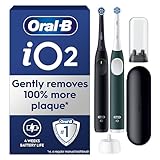
- Basic models - single mode, timer and quadrant alert for a reliable daily clean at a lower price.
- Mid-range - multiple modes (for example 5 modes), 1-2 heads included and often a travel case.
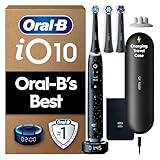
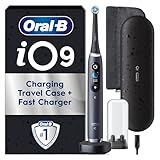
- Premium - full feature set: multiple modes (for example 7 modes), app-guided brushing, AI position detection and extra heads or charging travel case included.
Decide whether you want a simple reliable brush or extra features like app guidance and advanced pressure sensing.
Important features and specifications to check
When comparing specific models, inspect these details carefully.
- Number of brush heads included - having 2-3 heads in the box reduces first-year running costs.
- Modes - common options are Daily, Sensitive and Whitening; more modes are useful if you have specific needs.
- Pressure sensor - visual or tactile feedback protects gums and improves technique.
- Timer and quadrant alert - ensures the dentist recommended 2-minute clean with even coverage.
- Travel case and chargers - travel cases add value, check whether a charging travel case is included and whether the charger matches your plugs.
- Compatibility - ensure replacement heads are easy to find and affordable.
- Stock and extras - some sellers bundle travel cases or extra heads; stock levels and free shipping may affect total cost.
Small differences add up: compare what is in the box as carefully as the headline features.

Where to buy and mistakes to avoid
Choose a reputable retailer and check the returns and warranty terms before you buy.
- Online: often better prices and bundles, but verify seller ratings, delivery times and whether shipping is free.
- High street retailers: try before you buy and get immediate aftersales support.
- Check stock messages and delivery estimate; some models may be scarce or on pre-order.
- Watch the total price: initial discount plus shipping and replacement heads cost over time.
- Common mistakes to avoid:
- Buying solely on price without checking which heads are included.
- Overvaluing extra modes you will never use.
- Forgetting plug type and charger compatibility when buying from overseas sellers.
- Ignoring replacement head availability and cost.
Buying the right combination of included heads, pressure protection and a good warranty will give the best value.
Final Thoughts
Pick a model that balances initial cost with included heads and useful features such as a pressure sensor and timer. If you travel, prefer a model with a travel case. For everyday value choose a mid-range option with at least 2 heads; if you want coaching and extra modes opt for a premium model. Always check compatibility and replacement head prices before you commit.


