



Buying Guide
How to Buy a Car Radar and Laser Detector
This short guide explains what to look for when buying a radar or laser detector for your car. It covers the key buying factors, the main product types, the essential specifications to check, where to buy and common pitfalls, plus quick expert tips to help you choose fast.
Key factors to consider
Detection range and antenna design are the most practical considerations. A detector with multiple antennas and a low-noise amplifier will give earlier alerts and better 360 degree coverage.
- False alert filtering: look for GPS Autolearn, digital signal processing or AI filtering to cut out alarms from modern car sensors.
- Directional awareness: displays or voice prompts that show front/rear direction improve reaction time.
- Updateability and maps: detectors with updateable camera databases and firmware keep working reliably.
- Connectivity: Bluetooth or Wi Fi plus a companion app makes updates and shared alerts easier to manage.
- Budget and driving style: city drivers value filtering and camera databases; motorway drivers value maximum range and sensitivity.
- Legal and insurance checks: confirm the device is permitted where you drive and whether using one affects insurance.


Types and price bands
There are three common categories to pick from.
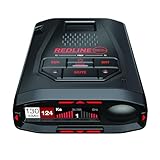
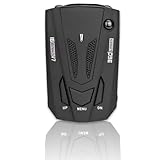
- Entry level: basic long range detectors with a single antenna and OLED display. Good if you want simple radar and laser warnings at a lower cost. Typical price band in the sample set: around £150 to £250.
- Mid range: detectors with improved filtering, GPS camera databases and app connectivity. These balance everyday use and value. Typical price band: around £250 to £400.
- Premium: multi-antenna models with the longest range, advanced DSP or AI filtering, precise GPS and full directional detection. Best for high speed or professional drivers. Typical price band: around £400 to £700.
Features and specs to check
Prioritise features that match how and where you drive. Key items to check before you buy:
- Antenna count and sensitivity: dual or triple antennas give true 360 degree coverage and earlier warnings.
- Laser detection front and rear: lasers require line of sight so front and rear detection is useful on multi-lane roads.
- Display and alerts: clear OLED or multi colour displays plus voice alerts reduce distraction.
- False alarm technology: DSP, AutoLearn or AI filtering and an IVT filter reduce nuisance alarms from vehicle safety systems.
- GPS accuracy and camera database: GPS within a few metres and an updateable red light/speed camera database are vital for fixed camera alerts.
- Connectivity and app support: Wi Fi or Bluetooth for firmware updates, plus community-shared alerts via an app, add ongoing value.
- Accessories and installation: ensure a quality mount, power cord with mute function and a carry case are included or available.
- Warranty and support: check length of warranty and whether updates are free or subscription based.
Where to buy, common mistakes and quick expert tips
Online retailers give the best range and prices but check seller ratings, warranty handling and return policy. High street stores let you see displays and ask questions face to face. Avoid these common mistakes:
- Buying purely on price and ignoring false alert filtering or update support.
- Assuming a long range reading equals useful advance warning without directional info.
- Not checking whether maps and firmware updates are free or behind a subscription.
- Poor mounting placement that blocks sensors or gives a shaky signal.
- Match the model to your driving: urban drivers need better filtering, motorway drivers need top range and sensitivity.
- Prefer devices with GPS Autolearn and community alerts for fewer false alarms and shared camera warnings.
- Check included accessories: a magnet mount, powered cable with auto mute and a carry case are useful extras.
- Register and keep firmware and camera databases up to date before long trips.
- Buy from an authorised reseller to ensure warranty and firmware support.
Final Thoughts
Choose a detector that fits your driving patterns: budget units are fine for occasional use, mid range models suit most drivers, and premium units give the best early warning and filtering. Prioritise false alarm technology, GPS and update support, and buy from a reputable seller so you get warranty and ongoing updates.

