



Buying Guide
How to Buy a Kitchen Blender
This short guide helps you choose a kitchen blender that fits your routine. It covers what matters most, the main types available, key features to check and quick buying advice so you can decide with confidence.
What to consider first
Start with how you will use the blender and how often. Motor power and blade quality determine whether the machine will crush ice, nuts and fibrous veg or only handle soft fruit.
- Use and frequency: daily smoothies need a more robust machine than an occasional sauce maker
- Power guide: personal blenders often work well from about 400 to 700 W; for regular ice, nuts and harder ingredients aim for around 800 to 1,200 W or better
- Capacity: single-serve cups are 500 to 900 ml; family jug blenders are typically 1.5 to 2 L
- Materials and cleaning: glass jugs tolerate hot liquids and resist staining, while BPA-free plastic is lighter and less likely to shatter
- Space and noise: check footprint and expect louder motors on higher power units

Types and which suits you
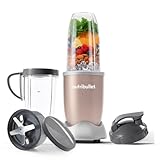
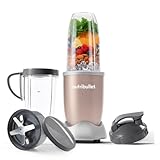
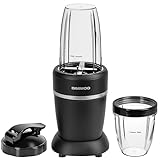
- Personal single-serve: compact, quick to clean and often supplied with travel cups; ideal for breakfasts and on-the-go smoothies
- Jug blenders: larger glass or plastic jars for soups, sauces and family portions; better for hot liquids and batch work
- 2-in-1 or combo: a main jug plus a travel cup or grinder; good if you want both family and single-serve use
- High-speed/professional: higher wattage and tougher blades for demanding blending and longer life; choose these if you use a blender daily for tough ingredients
Key features and specifications to check
Compare these specifications and look for real advantages rather than marketing numbers.
- Motor power and RPM: treat claimed RPM with caution; watts give a more honest idea of torque. For frequent ice and nut work, prioritise higher wattage and robust cooling
- Blades and removability: stainless steel blades that can be removed make cleaning and replacement easier
- Speed settings and pulse: variable speeds plus a pulse function give better control over texture
- Jar type and capacity: choose glass if you will blend hot soups; choose a travel cup if you want single-serve portability
- Cleaning and safety: dishwasher-safe parts save time; look for safety interlocks and a sealable lid for storage
- Accessories and spare parts: check what is included and whether spare jars, lids and blades are available
- Price and value: in the options reviewed prices ranged roughly from £25 to £80; balance features against how you will use the unit

Where to buy, mistakes to avoid and quick tips
Online offers a wide selection, customer reviews and often better prices; buy from reputable sellers and check return and warranty terms. In-store shopping lets you check size, weight and noise but stock can be limited.
- Common mistakes to avoid: buying only on headline RPM, ignoring jar capacity, assuming all parts are dishwasher-safe, and choosing a very high powered unit if you will only make simple smoothies
- Check the fine print: warranty length, repairability and availability of spare parts matter for long term value
- Quick recommendations: if you need portability pick a personal blender with a travel cup; for family cooking choose a 1.5–2 L jug blender with 1,000 W or more; if budget is tight accept lower power but avoid models that have no safety features or removable blades
- Final tip: register the appliance with the seller or manufacturer and keep the receipt for warranty and spare part requests
Final Thoughts
Decide first on use and capacity, then match power and build to that need. Personal blenders suit single-serve convenience, jug blenders suit family and hot liquids. Check blade quality, cleaning options, warranty and spare part availability before you buy. With those checks you will pick a blender that lasts and delivers the results you want.


