



Buying Guide
How to Buy the product type
This short guide helps you choose a vacuum cleaner that suits your home. It covers the main things to weigh up, the common categories, key specifications to check and practical buying tips so you can act quickly and confidently.
What to consider before you buy
Decide what problem you need the vacuum to solve and where you will use it most. Consider floor types, pets, allergy concerns, storage space and how often you want to empty the machine.
- Floor type: hard floors need soft or dual brush heads; deep-pile carpet needs strong brush-rolls and higher suction.
- Pets and hair: look for anti-hair-wrap technology and motorised pet tools to reduce snags and manual cleaning.
- Allergies: choose models with sealed filtration and anti-allergen features; some bases seal away dust for weeks.
- Convenience: cordless models offer mobility; corded uprights give constant power and longer continuous cleaning.
- Weight and handling: stick and handheld converters are lighter for stairs; uprights can be heavier but better for whole-house cleaning.


Types available and how they differ
Understand the main categories so you pick the right form factor for your lifestyle.
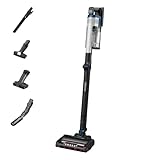
- Cordless stick: lightweight and versatile, ideal for quick cleans and flats; run-time varies widely (examples in the range 40 to 120 minutes depending on battery setup).
- Cordless with auto-empty base: keeps dust out of sight and can hold between about 1.3 and 2 litres in the base so you empty far less often.
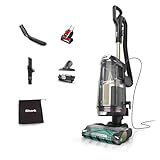
- Corded upright: strong continuous suction, often with larger dust capacity (1.3 to 2.6 litres) and longer cords (around 8 metres) for whole-house work.
- Convertible lift-away and handheld: combine upright power with a detachable canister for stairs and tricky areas.
Essential features and specs to check
Use this quick checklist when comparing models so you do not get surprised after purchase.
- Run-time and batteries: check single-battery run-time and whether a second battery is supplied; two batteries can double usable cleaning time.
- Auto-empty base and vacuum capacity: compare base capacity (larger bases reduce emptying frequency) and onboard dust cup size for handheld mode.
- Brush technology: dual brush-roll or DuoClean-style heads are better at switching between floors and picking up hidden dirt.
- Anti-hair and anti-odour features: useful for pet owners to reduce clogging and smells inside the machine.
- Filtration: look for complete-seal systems and high capture rates for fine dust if allergies matter.
- Power and cord length: for corded machines note wattage and cord length; for cordless check charge method and docking style.
- Weight and included tools: check in-use weight, LED lights for dark corners and whether motorised mini tools and crevice tools are included.
- Warranty and registration: longer guarantees are valuable but often require product registration.

Where to buy, mistakes to avoid and quick expert tips
Decide between online and in-store buying based on how much hands-on testing you need. Buy online for better deals and stock breadth; visit a store if you want to try handling weight and reach.
- Check seller and returns: buy from reputable retailers, verify return and warranty registration details.
- Compare total cost: consider accessories, replacement bags or cartridges and spare batteries when budgeting.
- Avoid common mistakes: don’t pick solely on run-time figures without checking actual cleaning power; don’t overlook dust-base capacity if you dislike frequent emptying.
- Expert tips: for pet homes choose anti-hair-wrap and anti-odour features; if you clean large areas consider corded uprights or dual-battery cordless kits; register the product for the full warranty and keep receipts.
Final Thoughts
Pick the form factor that matches your home and cleaning habits, then use the checklist above to compare models quickly. Prioritise run-time or continuous power, anti-hair and filtration if you have pets or allergies, and choose a machine with a base or dust capacity that fits how often you want to empty it. Register the product for warranty and buy from a retailer with a clear returns policy.


