



Buying Guide
How to Buy Sports Bras
This short guide helps you pick the right sports bra quickly. It covers what matters most, the common types, the key features to check and where to buy so you can act with confidence.
What to consider first
Start with activity and fit. Choose a support level matched to your workout and a size that fits both underbust and cup measurements. Consider comfort for all day wear and ease of care.
- Support level: low for yoga, medium for weights or cycling, high for running and HIIT.
- Fit checks: firm band, minimal bounce, no digging straps and no gaping cups.
- Practical details: adjustable straps and a hook-and-eye closure make fit tuning easier.
- Budget and value: single-piece items cost less per unit, multi-packs can be better for training wardrobes.


Types and who they suit
Know the main constructions so you pick the right shape and support.
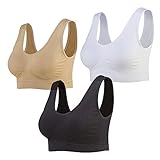
- Compression (seamless) bras: snug, good for smaller cups or short runs.
- Encapsulation or padded styles: separate cups, better shape and higher support for larger busts.
- Hybrid designs: combine compression and encapsulation for versatile support.
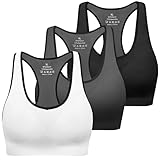
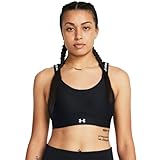
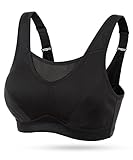
- Racerback or crossover straps: give extra stability and free shoulder movement, useful for running and gym work.
- Wired versus wireless: wired can boost support and shape but wireless often gives greater comfort for long wear.
Features and specifications to check
Focus on features that affect performance and comfort.
- Band fit: the band should be the firmest part; try different band sizes if you can.
- Straps: wider, cushioned and adjustable straps reduce shoulder pressure.
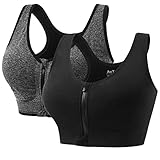
- Closure: hook-and-eye backs allow a customised fit; pull-on styles trade adjustability for simplicity.
- Pads: removable pads add shape but check they stay put and are breathable.
- Fabric and ventilation: moisture-wicking, quick-dry fabrics and mesh panels improve comfort during sweat.
- Construction: seamless designs reduce chafing; reinforced stitching and a wide underband improve bounce control.
- Sizing range: some ranges now cover much larger cups; check exact size charts rather than assuming.
Where to buy and quick expert tips
Decide between online convenience and in-store try-on. Online offers wider choice, bundle deals and often free delivery. In-store lets you try for fit and feel before you buy.
- Online checklist: read size charts, study customer photos and reviews, check returns and free-shipping options.
- In-store checklist: test fit by jogging on the spot, check strap comfort and band firmness, try different styles.
- Common mistakes to avoid: buying the wrong support level for your activity, relying on one-size-fits-all claims, keeping a bra past 6 to 12 months of regular use.
- Expert tips: buy one high-impact bra for your hardest workouts and two everyday bras to rotate; choose wireless for long comfort and a hook-and-eye back if you need tailoring; follow care labels to preserve elasticity.
Final Thoughts
Pick a style matched to your activity, check the fit carefully and favour adjustable features. Use online reviews and size charts when buying remotely and aim to rotate bras so they last longer. A well chosen sports bra will protect, support and make training more comfortable.