



Buying Guide
How to Buy Toddler Educational and Musical Toys
This short guide helps you choose educational and musical toys for babies and toddlers. It covers what to look for, the main types available, where to buy and practical tips to avoid common mistakes.
Quick buying checklist
Consider these key factors before you buy:
- Age suitability - match the toy to the child’s developmental stage. The examples reviewed target roughly 6 months to 3 years, with many aimed at 1 to 2 years.
- Safety and materials - prefer non-toxic plastics, smooth finished wood with water-based paint, or machine-washable fabrics. Check for small parts and choking hazards.
- Educational value - look for toys that teach colours, shapes, numbers, rhythm and cause-and-effect rather than passive entertainment.
- Durability and cleanability - choose sturdy construction and surfaces that wipe clean or are washable.
- Power and volume - note battery requirements and whether sound volume can be reduced. Electronic activity toys often need batteries and can be loud.
- Multi-use and portability - multi-activity items or compact sets give longer use and are easier to store or take travelling.
- Price and value - the products analysed fall between about £17 and £32. Pay for features that will actually be used long term.


Types and what they teach
Main categories and the skills they develop:
- Electronic multi-activity centres - toys with lights, music, clocks, telephones and shape activities. Great for hand-eye coordination, early numeracy and cause-and-effect. Best for 1 year plus but check volume and battery needs.
- Wooden musical instrument sets - xylophone, maracas and percussion. Excellent for rhythm, fine motor skills and sensory development. Durable and often more calming visually.
- Interactive plush toys - soft companions that sing and adjust content by stage. Useful for language, routines and early words. Choose models with adjustable learning levels and easy-to-clean fabrics.
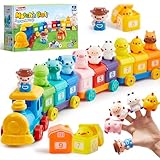
- Pretend-play and sorting sets - picnic baskets and shape sorters teach shapes, vocabulary and imaginative play. Good for fine motor development and packing away encourages organisation skills.
Where to buy and what to check
Online or in-store both have advantages:
- Online - best for selection and price comparison. Read multiple recent reviews and inspect product images closely. Confirm delivery times, returns and whether batteries are included.
- In-store - useful to test texture, weight and sound level in person. You can quickly spot flimsy parts or poor stitching.
- Must-check details - look for safety marks and age guidance, clear instructions, replacement part availability and whether the toy uses common batteries.
- Budget note - cheaper electronic toys may cost more over time in batteries. Wooden or non-electronic pieces often last longer and offer better long-term value.

Common mistakes to avoid and quick expert tips
Avoid these pitfalls and follow these tips:
- Do not buy overly complex toys - toys that are too advanced become frustrating and unused. Aim for slightly challenging but achievable activities.
- Ignore noise - loud constant music tires parents and children. Prefer adjustable volume or an on-off switch.
- Overlook small parts - check that buttons, wheels and detachable pieces are securely fixed for the recommended age range.
- Tip - combine one multi-activity toy with one simple musical or pretend-play set to cover different skills without clutter.
- Tip - rotate toys every few weeks to keep interest high and reuse favourites later.
- Tip - prioritise toys that encourage interaction with an adult to maximise learning and bonding.
Final Thoughts
Choose toys that match the child’s age, focus on safe materials and clear developmental benefits, and balance electronic features with durable non-electronic options. For fast action pick one versatile multi-activity toy and one simple musical or pretend-play set, check reviews and safety labels, and confirm returns before you buy.


