





Buying Guide
How to Buy Children's Play and Craft Toys
A short, practical guide to help you choose safe, engaging and age‑appropriate toys and gift sets. Covers what to check, the main categories, key features to compare, where to buy and mistakes to avoid so you can act quickly and confidently.
Key factors to consider
Age and safety
- Check the recommended age on the box and watch for choking hazards with small parts for under 3s.
- Look for safety standards such as EN71 or equivalent toy safety marks for craft materials and small components.
- Choose robust materials that stand up to play and can be cleaned. For example, washable cosmetics or water‑soluble paints are far easier to manage.
- For magnetic toys, ensure magnets are strong and fully enclosed so they cannot come loose.
- Prefer rechargeable batteries and note expected playback or run time. Aim for at least 4 hours continuous use for portable audio toys.
- Check connectivity details such as Bluetooth version if you want reliable wireless pairing.
- Look for toys that build skills: problem solving, creativity, role play or basic tech literacy. Multi‑function toys will stay interesting longer.


Types and important features to look for
Building and construction sets
- Piece count and piece size matter. A 100‑piece magnetic set gives variety but check each piece size (for example 2cm cubes are common) and how shapes connect.
- Ensure magnets are strong, evenly polarised and pieces click together without wobble.
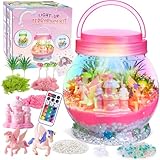
- Check contents list: preserved moss, coloured sand and small decorative parts are common. Ensure glues and decorative paints are non‑toxic and the kit meets toy safety standards.
- Choose washable, non‑toxic cosmetics and accessories with sturdy storage cases. A large accessory count is fun but inspect for small loose parts.
- For karaoke and speakers, look for clear speaker output, number of microphones, LED effects if wanted, Bluetooth compatibility and stated battery life (many portable sets quote 5‑10 hours).
- For toy phones, check screen type and size, camera functions, included storage or SD support, educational apps and parental controls.
Where to buy and quick buying tips
Online or in store
- Online is best for variety and price comparison. Read verified reviews, check multiple photos and confirm seller returns and warranty policies.
- Retail stores let you inspect material quality, feel weight and test electronic controls before purchase.
- Confirm safety certifications and product contents match the listing.
- Check delivery times and return windows so you can exchange quickly if a child dislikes the toy or something is missing.
- Compare prices; similar toys in our sample range cost roughly £18 to £30, so use that as a benchmark.
- Buy washable or water‑soluble craft supplies where possible.
- Prefer rechargeable electronic toys with clear stated run times and avoid items with non‑replaceable batteries unless charging is convenient.
- Keep receipts and product images in case you need replacement parts or a refund.

Common mistakes to avoid
- Ignoring age guidance and safety marks — small parts and magnets are a frequent hazard.
- Buying electronics without checking battery type, run time or whether chargers are included.
- Choosing purely on price or photos — cheap sets may lack safety testing or have missing pieces.
- Not checking return and spare parts policies — many craft kits and electronic toys need replacement bits or support.
Final Thoughts
Prioritise safety, appropriate complexity and durability. Match the toy type to your child’s interests and age, check certifications and battery details, and buy from sellers with clear returns. A well chosen mix of a hands‑on craft, a constructive set and a small tech toy will give variety and long lasting play.


