




Buying Guide
How to Buy Window Vacuum Cleaners
This quick guide helps you choose a window vacuum cleaner that saves time and leaves windows streak free. It covers the main buying factors, the types available, the key specs to check, where to buy and smart tips to avoid common mistakes.
Key factors to consider before you buy
Choose a machine that matches how often and how much you will clean. Important points to weigh up:
- Battery life and real runtime - expect models that run from about 30 minutes up to around 100 minutes; longer runtimes suit large homes or repeated jobs.
- Suction width - common nozzles are around 280 mm; wider nozzles cover big panes faster.
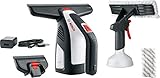
- Removable battery and LED indicator - removable batteries let you swap for longer jobs and LED displays show remaining charge.
- Tank design and emptying - look for hygienic, easy-to-empty dirty-water tanks to avoid contact with grime.
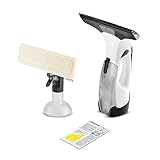
- Accessories included - spray bottle, microfibre cloth and wipers add value and reduce extra purchases.
- Weight and ergonomics - lighter, compact units work better in cramped spaces and for overhead use.


Types and who they suit
There are a few practical categories to match typical users:
- Entry-level compact - lightweight, around 30 minutes runtime; best for small flats, occasional use and tight spaces.
- Standard cordless - mid-range runtime (about 30 to 40 minutes) with wider nozzle; ideal for regular window cleaning in houses and bathrooms.
- Long-run or pro-style - extended battery life up to around 100 minutes; choose this for large homes, conservatories or commercial tasks.
- Kit versions with handles or washers - include extendable handles and window washers for high or awkward windows; suitable if you need reach without ladders.
Key features and specifications to check
Check these specs to avoid buyer's regret:
- Actual runtime and what that covers - manufacturers sometimes quote minutes or number of windows; translate that to your needs (for example some units claim enough for roughly 30 to 35 windows or several hundred square metres).
- Nozzle width - 280 mm is common; wider equals fewer passes on large panes.
- Battery type and charging - check whether the battery is removable, spare batteries are available and a charger is included.
- Hygiene and maintenance - simple tank removal, easy-to-clean rubber lips and replaceable blades make the machine last longer.
- Included cleaning tools - a spray bottle with integrated wiper and microfibre cloth is useful for pre-cleaning stubborn dirt.
- Physical factors - weight, balance, noise level and an LED charge indicator affect usability.

Where to buy, common mistakes and expert tips
Decide between buying online or trying in a shop based on these trade offs:
Online pros - often better prices, bundle deals and fast delivery. Check seller ratings, clear return policies and warranty details.
Retail pros - try the feel and weight, check ergonomics and blade fitment in person. Ask staff about spare parts and servicing.
Common mistakes to avoid:
Online pros - often better prices, bundle deals and fast delivery. Check seller ratings, clear return policies and warranty details.
Retail pros - try the feel and weight, check ergonomics and blade fitment in person. Ask staff about spare parts and servicing.
Common mistakes to avoid:
- Buying on price alone without checking runtime or nozzle width.
- Assuming cordless means unlimited runtime - check battery swap options for big jobs.
- Overlooking spare blades and replacement accessories availability.
- For regular or large jobs pick a removable battery and a wide nozzle.
- Choose a kit that includes a spray bottle and microfibre cloth to get started straight away.
- Keep a spare rubber blade or wiper - they wear out and replacements are inexpensive.
- Check the warranty and how easy it is to get charger or battery replacements.
- Expect typical prices in the mid tens of pounds; compare bundles for best value.
Final Thoughts
Match runtime and nozzle width to your pane sizes and cleaning frequency. Prioritise removable batteries, hygienic emptying and useful accessories in the box. Try handling a unit if you can, and buy spare blades to keep performance streak free.


